If you are looking for a journey in Uttarakhand that is not just an adventure but a complete spiritual transformation, the Panch Kedar Trek is made for you. This is India’s most revered and physically demanding Shiva pilgrimage, taking you through five ancient temples spread across the breathtaking Garhwal Himalayas in a single sacred circuit.
Completing the Panch Kedar Trek 2026 means walking from the majestic valleys of Kedarnath to the remote alpine meadows of Rudranath, and finally arriving at the quiet Urgam Valley of Kalpeshwar — a journey that will exhaust you physically and recharge you spiritually in equal measure.
The five temples of the Panch Kedar circuit are Kedarnath, Tungnath, Rudranath, Madhyamaheshwar, and Kalpeshwar. Each sits at a different location across the Garhwal Himalayas, and each carries its own unique spiritual significance. Completing the entire Panch Kedar Yatra takes between 12 and 15 days, covering a total trekking distance of approximately 107 kilometres.
If you are already exploring offbeat trekking options from Dehradun, the Panch Kedar Trek is the ultimate bucket-list experience that every serious trekker must complete at least once in their lifetime.
Quick Facts at a Glance:
- Duration: 12–15 Days
- Total Trek Distance: ~107 km
- Maximum Altitude: 3,680 m (Tungnath)
- Best Time: May–June and September–October
- Estimated Cost: ₹25,000–₹55,000
- Difficulty: Moderate to Hard
- Starting Point: Dehradun / Haridwar / Rishikesh
The Legend of the Pandavas — Why Panch Kedar Exists
To truly appreciate the Panch Kedar Trek, you need to understand the ancient story behind it. The origin of these five temples is rooted deeply in the Mahabharata.
After the devastating Kurukshetra War, the Pandava brothers were consumed by guilt for the killing of their own kin, including their teacher Dronacharya and grandfather Bhishma. Lord Krishna advised them to seek Lord Shiva’s blessings to be absolved of these sins. However, Shiva was unwilling to forgive them easily. To avoid the Pandavas, he disguised himself as a bull and hid in the Himalayan mountains.
The Pandavas searched relentlessly. When Bhima, the strongest of the five brothers, finally spotted the bull, he tried to catch it. But Shiva dived into the earth, and his body parts emerged at five different locations across the Garhwal Himalayas. These five locations became the sacred temples of the Panch Kedar circuit:
- Kedarnath — The hump of the bull appeared here
- Tungnath — The arms of the bull appeared here
- Rudranath — The face of the bull appeared here
- Madhyamaheshwar — The navel of the bull appeared here
- Kalpeshwar — The matted hair (jata) of the bull appeared here
It is believed that completing all five temples in a single circuit grants moksha — liberation from the cycle of rebirth — and washes away the sins of countless lifetimes. The Pandavas themselves are said to have constructed the original temples at each site, which is why every stone of these ancient shrines carries the weight of thousands of years of faith.
The Five Sacred Temples of Panch Kedar — Detailed Guide
1. Kedarnath Temple — The First Kedar
Altitude: 3,583 metres Trek Distance: 16 km one way from Gaurikund Difficulty: Moderate Opening Date 2026: 22 April 2026 Closing Date 2026: November 2026 District: Rudraprayag
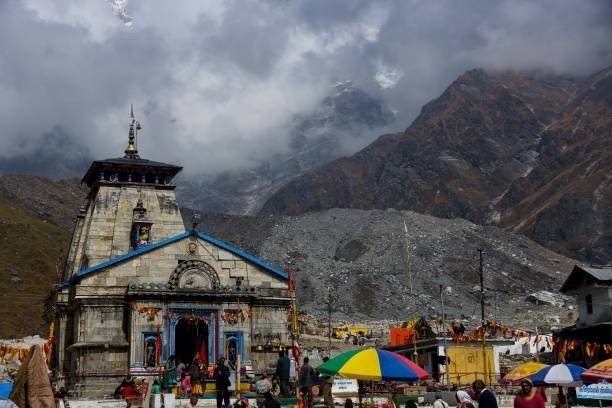
Kedarnath is the most famous of all five Panch Kedar temples and the most visited. It is simultaneously one of the 12 Jyotirlingas of Lord Shiva and a key part of the Char Dham circuit, making it one of the holiest sites in all of Hinduism. The temple stands at 3,583 metres in the Rudraprayag district, nestled in a high valley beside the Mandakini River, with the imposing Kedarnath peak rising dramatically behind it.
The trek begins at Gaurikund and covers 16 kilometres of steep, well-marked trail. It takes most trekkers between five and seven hours to ascend. For those who cannot manage the trek on foot, helicopter services operate from Phata, Sersi, and Guptkashi throughout the season.
Kedarnath Temple is believed to be over a thousand years old. What makes it even more spiritually significant in recent times is the fact that it survived the catastrophic 2013 flash floods almost entirely intact while the surrounding area was devastated — a fact that devotees consider nothing short of miraculous.
The evening aarti at Kedarnath, performed against a backdrop of towering snow peaks and a sky full of stars, is one of the most profoundly moving experiences you can have in the Himalayas.
Chalo Pahaad Tip: Book your Kedarnath accommodation at least three to four weeks in advance during peak season. Rooms near the temple fill up extremely fast in May and June.
Useful Link: Official Kedarnath Temple — Badrinath Kedarnath Temples Committee
2. Tungnath Temple — The Second Kedar
Altitude: 3,680 metres Trek Distance: 3.5 km one way from Chopta Difficulty: Easy to Moderate Opening Date 2026: 2 May 2026 Closing Date 2026: November 2026 District: Rudraprayag
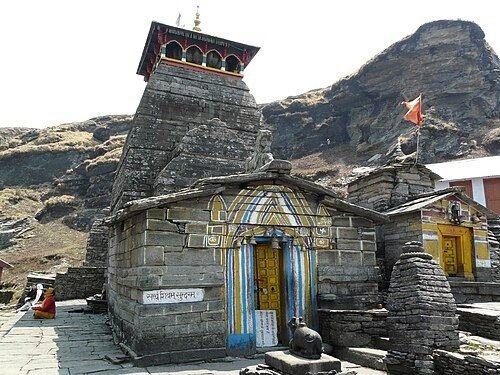
Tungnath holds the remarkable distinction of being the highest Shiva temple in the world, sitting at 3,680 metres above sea level. It is located in the Rudraprayag district, and the trek begins from Chopta — a small meadow village often called the “Mini Switzerland of Uttarakhand.”
The trek is only 3.5 kilometres from Chopta, but do not let the short distance fool you — the trail is steep and climbs through dense rhododendron forests before opening into a wide, wind-swept meadow just below the temple. From the temple, an additional 1.5-kilometre trek leads to Chandrashila Peak at 4,130 metres, which offers one of the most spectacular 360-degree panoramic views in all of Uttarakhand — with Nanda Devi, Trishul, Chaukhamba, and Kedarnath all visible on a clear day.
Tungnath is the most accessible temple in the Panch Kedar circuit, which makes it a popular standalone trek for those who cannot complete the full yatra. But as part of the complete Panch Kedar circuit, it sits perfectly between the demanding Kedarnath and Rudranath treks, offering a moment of relative ease and spectacular reward.
Chalo Pahaad Tip: Start from Chopta at 3 AM to reach Chandrashila Peak before sunrise. The pre-dawn sky above the Himalayas, followed by the first light hitting the snow peaks, is an experience you will carry with you for the rest of your life.
3. Rudranath Temple — The Third Kedar
Altitude: 2,286 metres Trek Distance: 19 km one way from Sagar Village Difficulty: Hard Opening Date 2026: 18 May 2026 Closing Date 2026: October 2026 District: Chamoli
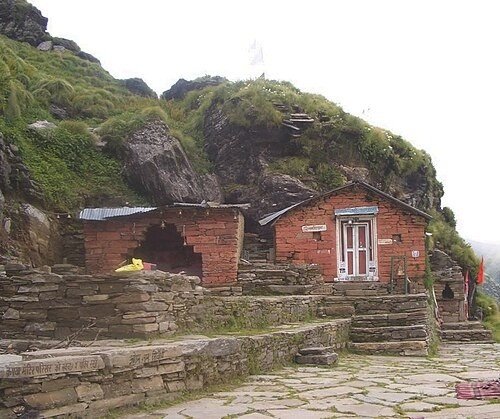
Rudranath is widely considered the most mysterious and remote of all five Panch Kedar temples. Unlike the other four shrines, Rudranath is not a man-made structure — it is a natural rock face that devotees worship as the face of Lord Shiva. The rock formation naturally resembles a face, and this “Neelkanth Mahadev” is considered one of the most powerful Shiva manifestations in the Himalayas.
The trek from Sagar Village covers 19 kilometres of genuinely challenging terrain, passing through dense oak and rhododendron forests, Himalayan meadows including Panar Bugyal and Pitridhar, and remote high-altitude stretches where the trail can be difficult to follow. The sheer remoteness of Rudranath is what makes it so extraordinary — this is a place where the mountains feel truly untouched and the spiritual energy feels completely unfiltered.
Rudranath does not have fixed darshan timings like Kedarnath. The temple priest performs aarti at sunrise and sunset, and darshan is available throughout the day during the open season.
Critical Warning: Never attempt the Rudranath trek without a local guide. Multiple trekkers have lost their way on this route. The trail is not consistently marked and conditions can change rapidly. This is the most challenging temple in the Panch Kedar circuit, and it deserves full respect.
4. Madhyamaheshwar Temple — The Fourth Kedar
Altitude: 3,497 metres Trek Distance: 16–18 km one way from Ransi Village Difficulty: Moderate to Hard Opening Date 2026: 21 May 2026 Closing Date 2026: 20 November 2026 District: Rudraprayag
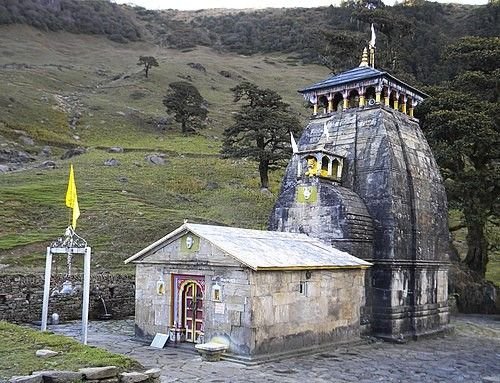
Madhyamaheshwar — also called Madmaheshwar or Dwitiya Kedar — is the most peaceful and least crowded of all five Panch Kedar temples. Situated at 3,497 metres, surrounded by the stunning Chaukhamba and Neelkanth peaks, this temple enshrines the navel of Lord Shiva in the form of a rare black stone navel-shaped Shivalinga that is deeply significant in Shaivite tradition.
The trek begins from Ransi Village near Ukhimath and passes through quiet Garhwali villages, pine and oak forests, and high-altitude meadows. The Madhyamaheshwar Ganga river accompanies you for much of the trail. The meadow surrounding the temple offers a 360-degree view of the Himalayan range that rivals anything else on the circuit.
A short additional walk from the temple leads to Budha Madhyamaheshwar, which sits roughly 300 metres higher and offers an even more spectacular vantage point for sunrise over the peaks. This extra walk is absolutely worth the effort.
The serenity of Madhyamaheshwar is unmatched among the five Panch Kedar temples. Far from the crowds of Kedarnath, this is a place where the mountains feel like they belong entirely to you.
Chalo Pahaad Tip: Plan two nights at Madhyamaheshwar — one for the main darshan and one for the Budha Madhyamaheshwar sunrise. That extra night turns a good experience into an unforgettable one.
Useful Link: Uttarakhand Tourism Official Website
5. Kalpeshwar Temple — The Fifth Kedar
Altitude: 2,134 metres Trek Distance: 2 km one way from Helang Difficulty: Easy Open: Throughout the year, 12 months District: Chamoli (Urgam Valley)
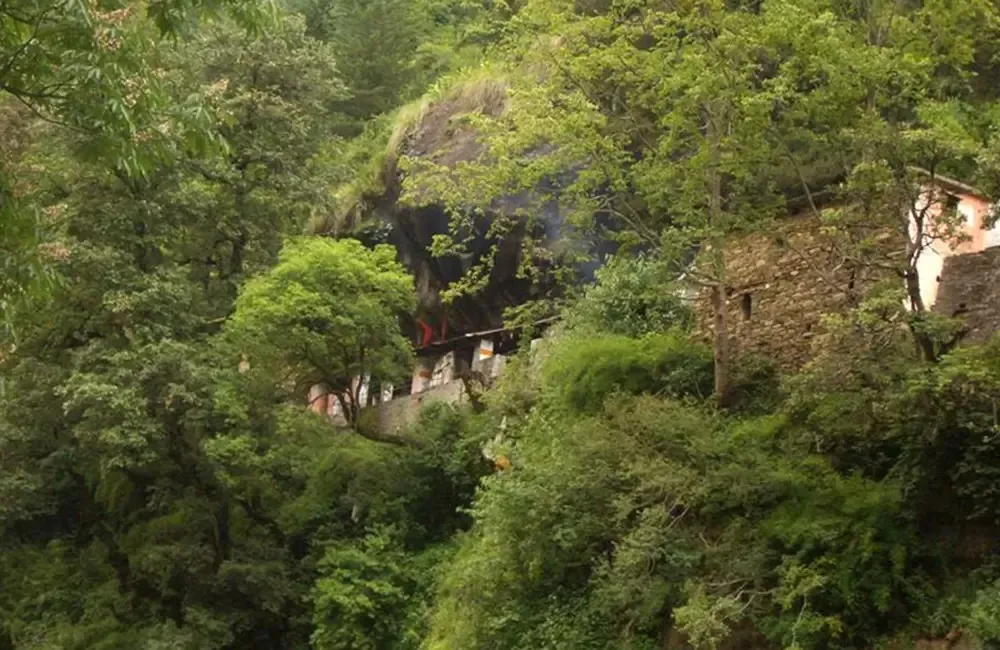
Kalpeshwar is the most accessible of all five Panch Kedar temples and the perfect conclusion to the entire yatra. Located in the lush Urgam Valley of Chamoli district, the temple sits inside a natural rock cave, and it is here that the matted hair — the jata — of Lord Shiva is worshipped.
The walk from Helang is just 2 kilometres through a beautiful forested valley with apple orchards, dense oak trees, and small mountain streams. There is no altitude stress and no technical terrain. After the demanding treks to Rudranath and Madhyamaheshwar, the gentle walk to Kalpeshwar feels like a calm, contemplative ending to an epic journey.
The most distinctive feature of Kalpeshwar is that it is the only Panch Kedar temple that remains open throughout the year, including winter. This makes it accessible even when the other four temples are closed due to heavy snowfall, and it also makes it a perfect standalone visit for those exploring the Chamoli region.
Panch Kedar Temple Opening Dates 2026
All five Panch Kedar temples open between April and May 2026. Here are the confirmed dates:
| Temple | Opening Date 2026 | Closing Date 2026 |
|---|---|---|
| Kedarnath | 22 April 2026 | November 2026 |
| Tungnath | 2 May 2026 | November 2026 |
| Rudranath | 18 May 2026 | October 2026 |
| Madhyamaheshwar | 21 May 2026 | 20 November 2026 |
| Kalpeshwar | Open year-round | Open year-round |
Opening dates are traditionally announced on Mahashivratri each year. For Kedarnath darshan, online registration is mandatory — no registration means no entry. Register here: Uttarakhand Char Dham Registration Portal
Best Time to Visit Panch Kedar in 2026
May to June — The Most Popular Window
This is the most preferred season for the Panch Kedar Trek. All five temples are open, temperatures range between 10°C and 20°C, snow on the trails has melted enough to make paths safe and accessible, and Himalayan wildflowers — especially rhododendrons — are in full bloom. Crowds are medium to high, so accommodation should be booked well in advance, particularly near Kedarnath and Chopta.
September to October — The Underrated Best Season
Post-monsoon brings crystal-clear skies and the best Himalayan views of the entire year. Trails are fresh and green, crowds are noticeably smaller than in summer, and the overall experience feels more intimate and personal. The first two weeks of October are particularly ideal. If you want to do the Panch Kedar Yatra without the summer rush, this is your window.
July to August — Avoid
The monsoon brings heavy, persistent rainfall to the Rudraprayag and Chamoli regions. Trails become slippery and dangerous, landslide risk increases significantly on mountain roads, and some stretches become completely inaccessible. Trekking in this period is strongly discouraged.
November to April — Temples Are Closed
Four of the five temples close due to heavy snowfall. Only Kalpeshwar remains open year-round. Mountain roads in this region are also frequently blocked by snow. This period is not suitable for the Panch Kedar circuit.
Chalo Pahaad Recommendation: For first-time trekkers, the last week of May or early June is ideal. For experienced trekkers seeking solitude and crystal-clear mountain views, October is the superior choice.
12-Day Panch Kedar Trek Itinerary — Complete Day-by-Day Plan
This itinerary starts from Dehradun or Haridwar and covers all five temples in a logical, efficient sequence.
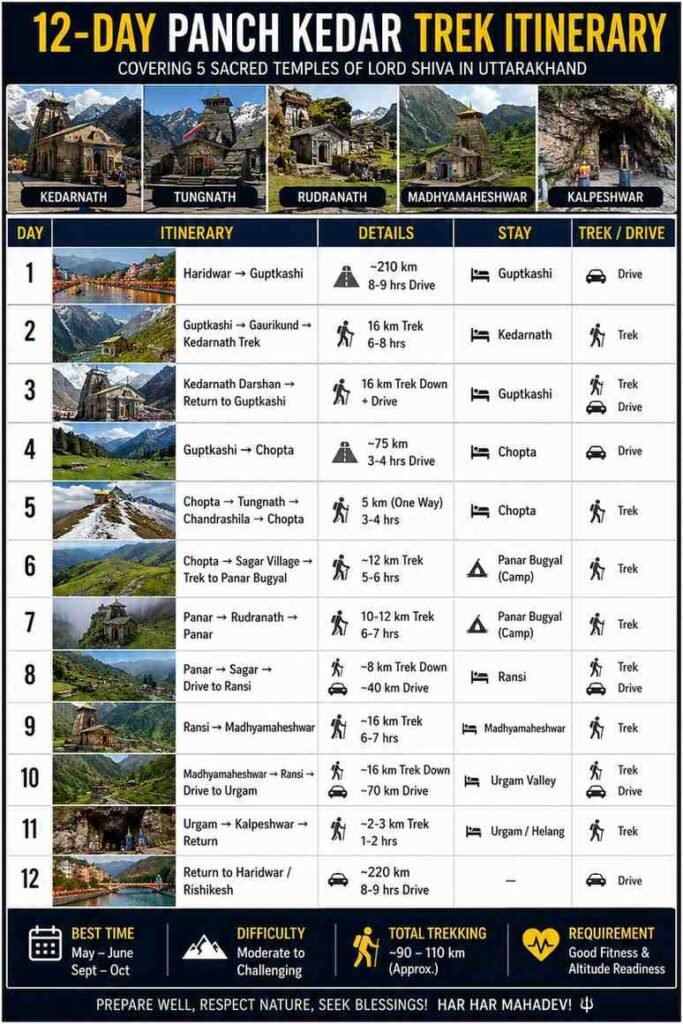
Day 1 — Dehradun or Haridwar to Guptkashi (Drive, approximately 8–9 hours) Start early in the morning. The route follows NH58 through Rishikesh, Devprayag, Rudraprayag, and Kund before reaching Guptkashi. Stay overnight in Guptkashi or Ukhimath. This is an acclimatization day — rest well and avoid strenuous activity.
Day 2 — Gaurikund to Kedarnath (16 km Trek) Begin the trek from Gaurikund. The trail is steep but well-marked and well-supported. Allow 5 to 7 hours for the ascent. Helicopter is available from Phata or Sersi for those who need it. Stay overnight at Kedarnath and attend the evening aarti.
Day 3 — Kedarnath Darshan, Descent to Gaurikund, Drive to Ransi Village Begin with early morning darshan at Kedarnath, then descend to Gaurikund. Drive to Ransi Village, the base camp for Madhyamaheshwar. Rest in the evening.
Day 4 — Ransi Village to Madhyamaheshwar (16–18 km Trek) A long and scenic day through Garhwali villages, pine forests, and high-altitude meadows. The trail follows the Madhyamaheshwar Ganga river for much of the way. Stay overnight near the temple.
Day 5 — Madhyamaheshwar Darshan, Budha Madhyamaheshwar, Descent to Ransi Rise early for the short walk to Budha Madhyamaheshwar for sunrise. Return for main temple darshan, then descend fully to Ransi. Stay overnight in Ukhimath.
Day 6 — Ukhimath to Chopta (Drive, approximately 2 hours) — Rest Day A short drive to Chopta. Use this day to rest and acclimatize before the next morning’s pre-dawn start. Walk through the Chopta meadows in the evening.
Day 7 — Chopta to Tungnath to Chandrashila and Back (5 km Total) Depart at 3 AM for Chandrashila Peak to catch the sunrise. Visit Tungnath Temple on the way up. Reach Chandrashila at 4,130 metres for a 360-degree view of Nanda Devi, Trishul, Chaukhamba, and Kedarnath. Return to Chopta by afternoon.
Day 8 — Chopta to Sagar Village via Gopeshwar (Drive) Drive to Sagar Village, the base camp for the Rudranath Trek. Rest thoroughly — the next day will be the most demanding on the entire circuit.
Day 9 — Sagar Village to Rudranath (19 km Trek) The most challenging day of the entire Panch Kedar circuit. Cross Anari Village, Lyari, Panar Bugyal, and Pitridhar before reaching Rudranath. A local guide is absolutely essential on this route. Stay overnight at the dharamshala near the temple.
Day 10 — Rudranath Darshan and Full Descent to Sagar Village Early morning darshan followed by the full 19 km descent. The descent still takes 6 to 7 hours. Stay overnight in Gopeshwar or Chamoli.
Day 11 — Chamoli to Helang, Kalpeshwar Darshan (2 km Trek) Drive through the beautiful Urgam Valley to Helang. Walk 2 km to the Kalpeshwar cave temple for darshan. The Panch Kedar circuit is now complete. Stay overnight in Helang or Joshimath.
Day 12 — Joshimath to Dehradun Return (Optional Badrinath Stop) Optional extra day for Badrinath darshan, which is close to Joshimath. Otherwise, drive back to Rishikesh and Dehradun. Return home as a genuinely transformed person.
How to Reach Panch Kedar from Dehradun
By Air The nearest airport is Jolly Grant Airport in Dehradun, approximately 200 km from Guptkashi. Delhi to Dehradun direct flights are available daily. From the airport, hire a taxi or take a bus to Rishikesh and then connect onward. Read our complete Dehradun travel guide for more details.
By Train The nearest major railway stations are Haridwar Junction and Dehradun Railway Station. From either station, GMOU buses and shared taxis run to Rudraprayag and Guptkashi. The overnight Dehradun Express from Delhi is a popular and comfortable option. Check bus schedules at GMOU Uttarakhand Bus Service.
By Road The road route from Dehradun is: Dehradun → Rishikesh → Devprayag → Rudraprayag → Guptkashi — approximately 200 km taking 7 to 8 hours. Both GMOU state buses and private taxis are available from Rishikesh. During monsoon, check road conditions before departure at Uttarakhand Tourism Road Updates.
Important Note: ATMs are only available in Rudraprayag, Gopeshwar, and Joshimath. Carry sufficient cash before heading into the remote sections of the circuit. Mobile network coverage is sparse or non-existent on most trek routes.
Trek Difficulty and Fitness Preparation
Understanding the difficulty of each section is critical for planning a safe and enjoyable Panch Kedar Trek.
| Temple | Trek Distance | Difficulty | Key Challenge |
|---|---|---|---|
| Kedarnath | 16 km one way | Moderate | Steep ascent, high altitude |
| Tungnath + Chandrashila | 5 km one way | Easy to Moderate | Short but steep |
| Rudranath | 19 km one way | Hard | Remote trail, navigation difficulty |
| Madhyamaheshwar | 16–18 km one way | Moderate to Hard | Long distance, sustained altitude |
| Kalpeshwar | 2 km one way | Easy | None |
Fitness Preparation — Start 4 to 6 Weeks Before the Trek
Begin daily walking or jogging of 5 to 10 kilometres. Add 20 to 30 minutes of stair climbing every day — this is the single best preparation for the steep ascents on the Panch Kedar circuit. Build cardiovascular endurance through swimming or cycling. Stay well-hydrated consistently, as proper hydration is your best defence against altitude sickness. If you have any cardiac conditions, high blood pressure, or respiratory issues, consult a doctor before undertaking this trek.
If this is your first Himalayan trek, consider building experience with easier treks from Dehradun before attempting the full Panch Kedar circuit.
Budget and Cost Breakdown for Panch Kedar Trek 2026
Budget Traveler — ₹15,000 to ₹20,000 Use GMOU state buses for travel, stay in dharamshalas and basic guesthouses at ₹300 to ₹500 per night, eat at local dhabas at ₹300 to ₹400 per day, and do all treks independently without a hired guide except Rudranath.
Mid-Range Traveler — ₹28,000 to ₹35,000 Use shared taxis for travel, stay in decent guesthouses at ₹800 to ₹1,200 per night, eat at proper restaurants, and hire a local guide for the Rudranath trek at ₹3,000 to ₹5,000.
Comfortable Traveler — ₹45,000 to ₹55,000 and above Hire a private cab for the full circuit, stay in good hotels at ₹1,500 to ₹2,500 per night, use the Kedarnath helicopter at approximately ₹7,000 to ₹10,000 roundtrip, and book a complete guided package.
Money-Saving Tip: Camping at Chopta instead of staying in a hotel saves ₹5,000 to ₹8,000 and actually delivers a better experience. Tents are available for ₹500 to ₹800 per night and the stargazing from the Chopta meadow at 2,700 metres is extraordinary.
Essential Gear List for Panch Kedar Trek
Do not leave without these items:
- Waterproof trekking boots with ankle support
- Warm fleece jacket rated to at least -5°C
- Waterproof rain jacket or rain poncho
- 45 to 60 litre comfortable backpack
- Sleeping bag rated to -10°C — nights at altitude are genuinely cold
- First aid kit including Diamox tablets for altitude sickness — consult a doctor before taking
- Headlamp with extra batteries
- Sunscreen SPF 50 and lip balm — high-altitude sun is significantly more intense
- Trekking poles — strongly recommended for knee protection on long descents
- Water purification tablets
- ORS sachets and energy bars
- Offline maps downloaded before departure — Google Maps offline or Maps.me
- Sufficient cash in small denominations
For a detailed gear guide, visit: India Hikes — Complete Trekking Essentials Guide
Insider Tips and Important Warnings
Things You Must Do
Register for Kedarnath darshan online well in advance — entry is not permitted without a valid registration. The official portal is registrationandtouristcare.uk.gov.in. Always plan an acclimatization rest day at the start of your trek — beginning with a hard day of trekking immediately after a long drive is a common mistake that leads to altitude sickness. Carry a local guide on the Rudranath and Madhyamaheshwar sections without exception. Remove footwear before entering any temple and leave all leather items — belts, bags, shoes — outside the shrine. Start every trekking day early in the morning, as afternoon weather in the Himalayas can turn quickly and unexpectedly.
Things You Must Avoid
Do not trek during July and August — the monsoon brings serious landslide risk and makes several trails genuinely dangerous. Do not leave any plastic waste on the trails or near the temples — the Panch Kedar region is ecologically sensitive and the mountain environment must be preserved. Do not pick wildflowers from Panar Bugyal or Narasimha Bugyal — these are protected meadow ecosystems. Never attempt the Rudranath trek solo or without an experienced local guide. Never ignore symptoms of altitude sickness — persistent headache, nausea, loss of appetite, and breathlessness are signs to descend immediately.
Emergency Contact Numbers
- Uttarakhand Police Emergency: 100
- SDRF Mountain Rescue: 1070
- Kedarnath Helicopter Rescue: 0135-2559898
- Chamoli District Emergency: 01372-252117
Panch Kedar Trek vs Char Dham Yatra — What Is the Difference?
This is one of the most commonly asked questions by first-time pilgrims planning a visit to Uttarakhand. Both are sacred Himalayan pilgrimages, but they are significantly different in their nature, physical demands, and spiritual focus.
The Char Dham Yatra covers four temples — Yamunotri, Gangotri, Kedarnath, and Badrinath — which are dedicated to different deities and represent the four cardinal directions. The Char Dham is more accessible, suitable for all age groups and fitness levels, and extremely popular — which also means it is very heavily crowded during peak season.
The Panch Kedar Yatra covers five temples exclusively dedicated to Lord Shiva, all of which require genuine trekking through remote high-altitude terrain. It is physically far more demanding, significantly less crowded, and delivers a deeper and more intimate connection with the Himalayas. For serious Shiva devotees who are also physically capable trekkers, the Panch Kedar circuit is the superior spiritual experience.
If you are a Shiva devotee who is physically fit and seeking an authentic, remote, and challenging pilgrimage — choose the Panch Kedar Trek. If you are travelling with family including elderly members or young children, the Char Dham Yatra is the better option.
For more on Char Dham planning, visit: Char Dham Yatra Official Website
Nearby Attractions to Extend Your Panch Kedar Trip
After completing the Panch Kedar circuit, several world-class destinations are within easy reach and worth adding to your itinerary.
Badrinath Temple is just a short drive from Joshimath and is one of the most sacred Vishnu temples in India as well as a key Char Dham site. Most Panch Kedar trekkers visit Badrinath as a natural extension of the journey.
Valley of Flowers National Park is a UNESCO World Heritage Site near Joshimath, open from June to October. The valley explodes with over 500 species of Himalayan wildflowers and is one of the most spectacular natural landscapes in India.
Auli is the premier skiing destination in Uttarakhand and also offers stunning views of Nanda Devi and the surrounding peaks throughout the year.
Hemkund Sahib, a sacred Sikh pilgrimage site at 4,329 metres, is located near the Valley of Flowers and can be combined into the same trip.
For more on planning your broader Uttarakhand journey from Dehradun, read our Dehradun travel guide and explore our complete collection of Uttarakhand trek guides.
Final Thoughts — Is the Panch Kedar Trek Worth It?
The Panch Kedar Trek is not simply a mountain trek. It is a journey — outward through some of the most spectacular high-altitude terrain on Earth, and inward toward something quieter and harder to name.
Every temple on this circuit offers something different. Kedarnath delivers grandeur and ancient power. Tungnath delivers the highest vantage point and the world’s most elevated moment of quiet worship. Rudranath delivers raw remoteness and a connection to nature that no other temple on the circuit can match. Madhyamaheshwar delivers peace — the kind that settles into your bones and stays. Kalpeshwar delivers a gentle, contemplative ending to an extraordinary adventure.
Together, these five temples form a journey that will change how you experience the mountains, how you experience spirituality, and ultimately, how you experience yourself.
If you are planning a meaningful Himalayan experience in 2026, put the Panch Kedar Trek at the top of your list. There is simply nothing else like it.
Explore more Dehradun and Uttarakhand travel guides on Chalo Pahaad | Read our guide to offbeat treks from Dehradun
Last Updated: May 2026 | Sources: Uttarakhand Tourism · Kedarnath Temple Trust · Char Dham Registration Portal