Spiti
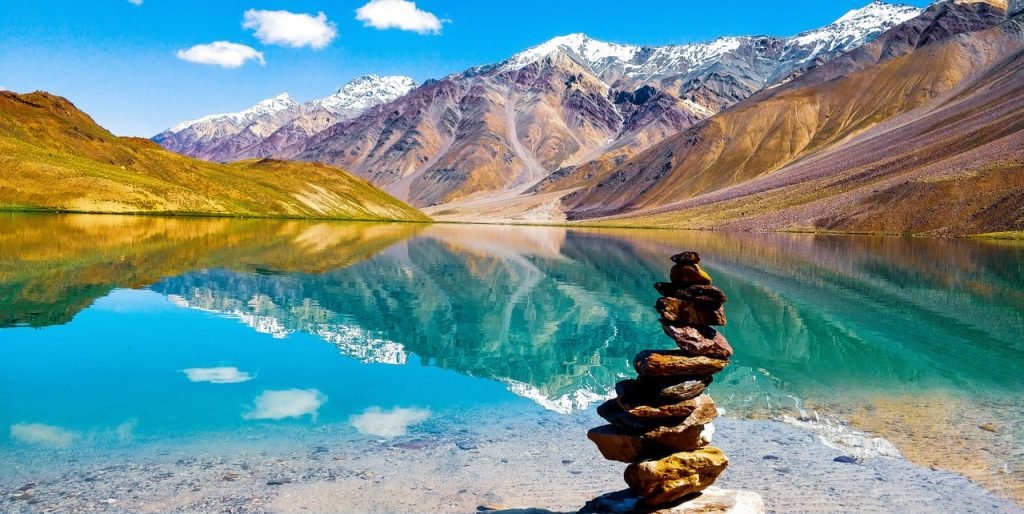
Spiti is a high-altitude desert valley located in the Himalayas, in the northeastern part of the Indian state of Himachal Pradesh. Often called “The Middle Land,” it lies between Tibet and India, and its culture is deeply rooted in Tibetan Buddhism. This remote region is a world of stark, rugged beauty, defined by towering barren mountains, deep gorges, and crystal-clear glacial rivers.
Landscape and environment
- A cold desert: Spiti lies in a monsoon rain-shadow area, which means it receives very little precipitation and remains arid throughout the year.
- Geological history: The valley was once an ancient sea bed, and even today, many villages like Langza are rich with fossils of marine life.
Solang valley
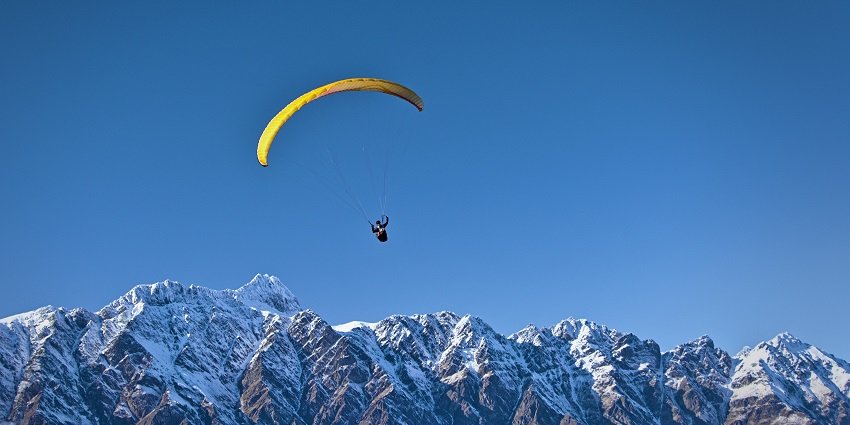
Solang Valley, often called “Snow Point,” is a popular tourist destination and adventure sports hub near Manali in Himachal Pradesh. Located in the upper Kullu Valley on the way to the famous Rohtang Pass, the valley is known for its breathtaking views of glaciers and snow-capped mountains.
The valley transforms with the seasons, offering different activities throughout the year.
- In winter (December to February): It becomes a winter wonderland covered in thick snow, drawing enthusiasts for skiing and snowboarding.
- In summer (May to June): The snow melts to reveal lush green meadows, and the adventure switches to activities like zorbing, parachuting, and paragliding.
kalka
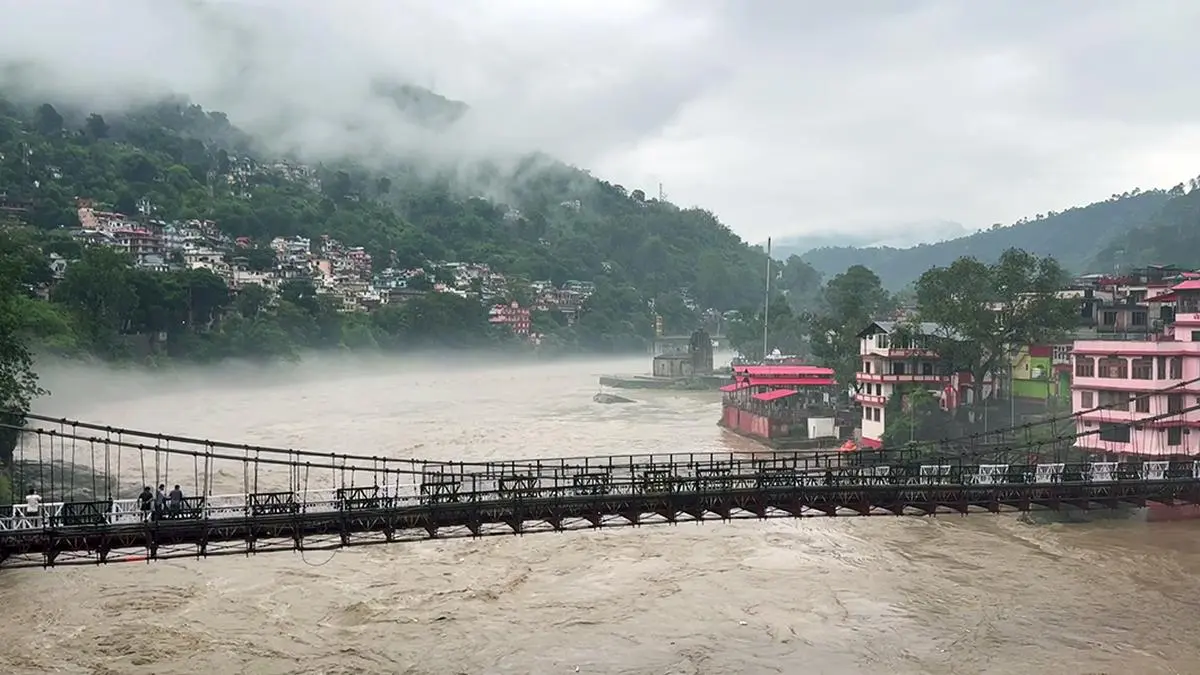
Kalka is not in Himachal Pradesh, but it is a town in the Panchkula district of Haryana that serves as a major gateway to the state. Situated in the foothills of the Himalayas, its name is derived from the Hindu goddess Kali. While it is a bustling town in its own right, its primary fame and importance come from its role as the starting point of the UNESCO World Heritage Kalka–Shimla Railway.
Key information
- Gateway to Himachal: Kalka is a critical transit point for travelers heading to the popular hill stations of Himachal Pradesh, including Shimla, Kasauli, and Solan. Its location at the end of the plains and the beginning of the hills makes it a natural transition point.
- UNESCO World Heritage Railway: The town’s most famous feature is the Kalka-Shimla Railway, also known as the “toy train”. This narrow-gauge railway journey is celebrated for its scenic beauty, with the train winding its way through dozens of tunnels and over hundreds of bridges on its climb to Shimla.
Rohtang Pass
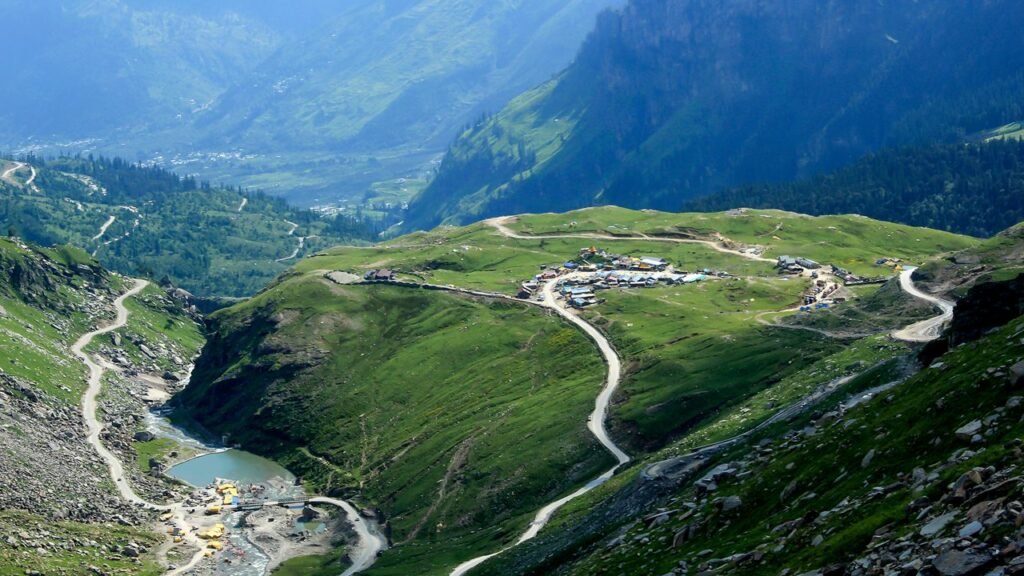
Rohtang Pass is an ecologically sensitive and fragile high-altitude region that has been significantly impacted by unregulated tourism over the years. In response, Indian authorities have implemented strict regulations to mitigate environmental damage and preserve the pass’s natural beauty. The completion of the Atal Tunnel has also altered the environmental landscape of the area. Environmental challenges at Rohtang Pass:
- Vehicular pollution: Excessive traffic, particularly during peak tourist season, led to high levels of pollution. Studies have shown elevated levels of black carbon and particulate matter (PM2.5) from vehicle emissions.
- Glacier melt: Pollution, especially black carbon, contributed to the blackening of snow, increasing its absorption of heat and accelerating the rate at which glaciers in the region melt.
The symphony that is forever Himachal: shadowy valleys, rugged crags, and roaring rivers.