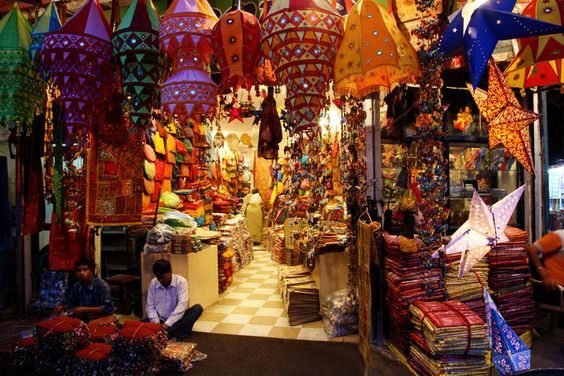
There’s something about the Colors of Dehradun’s Tibetan Market that hits differently. Maybe it’s the swirl of red woolen shawls hanging like soft fire from stalls. Or the way golden fairy lights reflect off brass Buddha idols. Or maybe it’s just that feeling — the hum of life wrapped in the scent of butter tea and incense.
Whatever it is, this market doesn’t just sell things. It tells stories.
Table of Contents
- Introduction – A Market That Breathes in Color
- History and Culture Behind the Tibetan Market
- The Palette of Dehradun – Exploring the Market’s Vivid Corners
- Street Scenes in Frames – A Photographer’s Dream
- The Faces Behind the Stalls
- The Flavors of Color – Food at the Market
- When to Visit the Tibetan Market
- How to Capture the Colors of Dehradun’s Tibetan Market
- Where to Stay Nearby
- Final Thoughts – A Place You’ll Always Remember
1. Introduction – A Market That Breathes in Color
The Tibetan Market in Dehradun isn’t just a place—it’s a rhythm.
Every winter, it comes alive near Parade Ground, calling in locals and travelers with its chaotic charm. The market is a sea of colors, each hue whispering stories of Tibet, faith, and craftsmanship.
You walk in, and suddenly you’re somewhere else.
The crimson robes of monks brush past you. Woolen sweaters in every shade imaginable hang neatly in rows. Handmade jewelry sparkles in tiny glass boxes. The Colors of Dehradun’s Tibetan Market truly feel alive.
2. History and Culture Behind the Tibetan Market
Long before the market became a hotspot for Dehradun shoppers, it was built by Tibetan refugees who settled here after 1959. Over time, they brought their traditions, food, and crafts — painting Dehradun with cultural color.
Today, it’s more than a shopping stop. It’s a small piece of Tibet in Uttarakhand’s heart.
You can also explore more about Tibetan market in this blog also: A First-Timer’s Guide to Dehradun: Everything You Need to Know
You’ll see the symbols of Tibetan Buddhism everywhere — prayer wheels, flags, mandalas — each representing peace and energy. Every corner is worth a photo, every frame worth a story.
3. The Palette of Dehradun – Exploring the Market’s Vivid Corners
If colors had emotions, the Tibetan Market would be a mood board.
- Red – Symbol of protection, seen in woolen jackets and wall hangings.
- Yellow – The glow of brass bells and Buddhist flags.
- Blue – Scarves fluttering in the cold winter wind.
- Green – Potted plants peeking from stalls.
- White – The calm of prayer beads resting on tables.
Each corner feels like a photo waiting to happen.
For more information visit the official Uttarakhand Tourism website for market details and seasonal events.
4. Street Scenes in Frames – A Photographer’s Dream
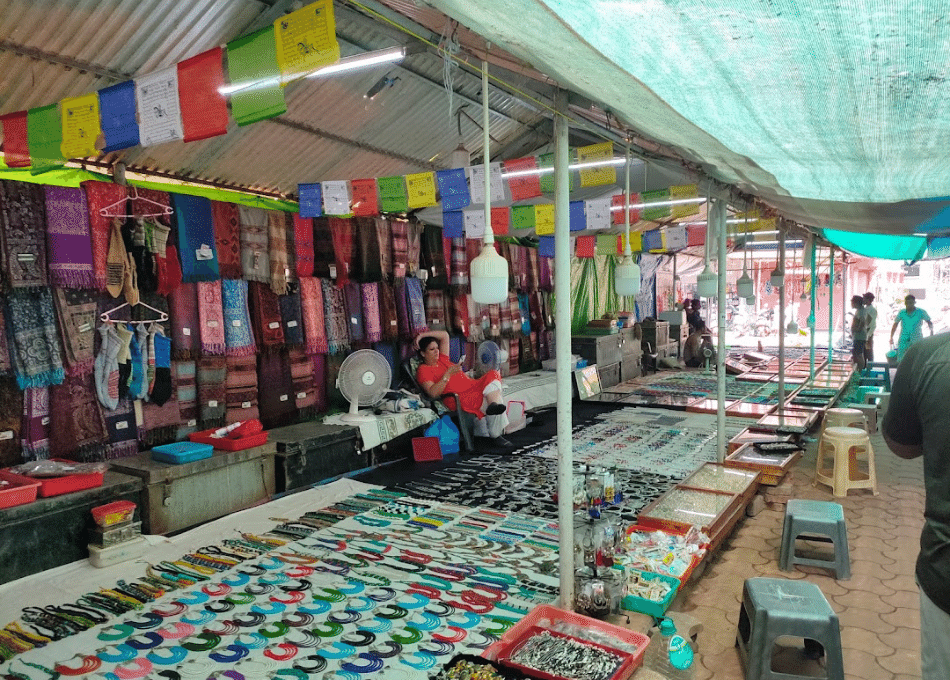
You don’t need to be a pro. Just hold your camera—or even your phone—and watch the scenes unfold.
Try these photo ideas:
- Capture reflections in puddles after a drizzle.
- Get close shots of trinkets and wool textures.
- Frame a vendor smiling while handing over a shawl.
Golden hour light after 4 PM adds a soft, cinematic touch. That’s when the Colors of Dehradun’s Tibetan Market glow like art.
5. The Faces Behind the Stalls
It’s easy to get lost in the products, but the real stories live behind them.
Meet Sonam, who’s been selling hand-knitted socks here for 20 years. Or Dorjee, the jewelry maker who crafts each pendant by hand while humming old Tibetan hymns.
Their laughter is contagious. Their work—pure art.
If you ask nicely, many will tell you their stories. That’s the real gift of this place — human connection hidden beneath layers of color.
6. The Flavors of Color – Food at the Market
And then comes the smell.
Fresh momos steaming beside sizzling thukpa bowls. Butter tea, salty and strange at first sip but oddly addictive. Fried bread called tingmo, warm enough to chase the chill away.
Here, food is just another form of color.
If you’re a foodie with a camera, you’ll be in heaven.
You can also Explore: Dehradun on a Budget – How to Have an Amazing Trip for Under ₹5000
7. When to Visit the Tibetan Market
The market is open almost all year but shines brightest in winter (November–February). That’s when the woolen section expands, and the festive vibe kicks in.
Evenings are best. Strings of fairy lights turn the lanes into a cozy labyrinth of hues.
Pro tip? Carry cash. Most stalls don’t take digital payments.
8. How to Capture the Colors of Dehradun’s Tibetan Market
If you’re planning a photo walk:
- Visit early for less crowd, or sunset for dreamy light.
- Use natural light instead of flash—it keeps colors authentic.
- Ask permission before taking portraits.
- Look for contrasts — red shawls against grey walls, golden lamps beside dark shadows.
You don’t need fancy gear. Just curiosity. The Colors of Dehradun’s Tibetan Market will do the rest.
9. Where to Stay Nearby
The market sits near Rajpur Road, making it super accessible.
You’ll find plenty of affordable stays around Clock Tower and Astley Hall.
Some recommended ones:
- Hotel Pacific Dehradun – clean, central, perfect for short trips.
- Treebo Trend Calista – budget-friendly, walking distance from Parade Ground.
10. Final Thoughts – A Place You’ll Always Remember
As you walk out of the market, the smell of incense lingers. The chatter fades. But the colors stay.
The Colors of Dehradun’s Tibetan Market aren’t just visual—they’re emotional. They remind you that beauty doesn’t scream; it softly glows from everyday things — a scarf, a smile, a handmade bracelet.
Next time you’re in Dehradun, don’t just visit this market. Feel it.
Let the colors tell you their stories.
Quick Facts
Entry: Free
Location: Near Parade Ground, Dehradun
Timings: 10 AM – 9 PM (best time: 4–7 PM)
Best Season: November to February