
Har Ki Dun Trek Best Time to Visit for Beginners (Complete Guide 2026)
The Har Ki Dun Trek, in the Govind Pashu Vihar National Park of Uttarakhand, is one of the best Himalayan treks for beginners due to its moderate difficulty and stunning views. Choosing the right season is crucial, especially if it’s your first Himalayan trek.
Har Ki Dun un rare treks me se hai jahan legends literally aapke saath walk karti hain. Local log maanta hain ki yeh wahi ancient route hai jisse Pandav Swargarohini ke through swarg ki taraf gaye the. Summer ya autumn me jab aap is valley me trek karte ho, toh pura landscape alive lagta hai — rivers aapke saath-saath beh rahi hoti hain, old forests raaste ko guard karte hain, aur huge silent peaks ek spiritual guardian ki tarah upar se dekhte hain. Har step me adventure ka thrill, mythology ka magic, aur Himalayas ka raw beauty mix ho kar ek aisa feeling create karta hai jo heart ko touch bhi karta hai aur soul ko calm bhi.
In this guide, you’ll find the best months, weather conditions, changes in difficulty, and tips for each month for new trekkers.
Best Time to Visit Har Ki Dun Trek for Beginners
The best time for beginners: April to June & September to November
These months offer:
✔ Safe trail conditions
✔ Stable weather
✔ Mild temperatures
✔ Clear mountain views
✔ Easy river crossings
✔ Comfortable camping nights
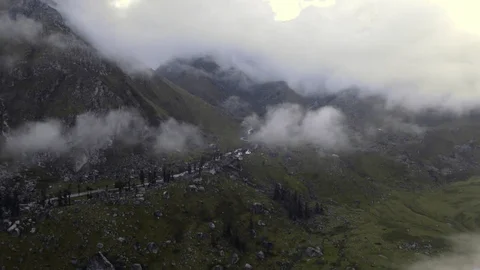
These seasons are the safest and most comfortable for beginner trekkers—you feel confident with every step and experience a gentle, exhilarating sense of peace.
1️⃣ Summer Season (April, May, June) – Best for Beginners
Temperature
- Day: 10°C to 18°C
- Night: 2°C to 7°C
Why Summer Is Perfect for First-Time Trekkers
- From mid-April onwards, the trail is mostly clear and free of snow—making for easy walking, a peaceful experience, and a sense of Himalayan tranquility with every step.
- With stable weather and low risk, the journey feels even more reliable and enjoyable—a calm mind, light steps, and complete enjoyment of nature.
- The easily navigable paths and the opportunity to gradually acclimatize the body to the altitude make the trek enjoyable and spiritually uplifting.
- Abundant water supply makes the trek comfortable and safe—allowing you to feel refreshed and in harmony with nature every step of the way.
- The forest is vibrant with flowers and greenery—at every step, you can feel the energy of life, peace, and the magic of nature.
- The spectacular views from the Swargarohini peak make every trek memorable—every glance is filled with excitement, admiration, and the tranquility of the Himalayas.
What You See
- Blooming rhododendron forests
- Lush meadows
- Clear river streams
- Bright sunny days
Best Month for First-Timers: May
2️⃣ Autumn Season (September to November) – Second Best for Beginners
Temperature
- Day: 8°C to 15°C
- Night: -2°C to 4°C
Why Autumn Is Ideal
- The clear, open views of the mountains give you the feeling that even the path is smiling—it brings peace to the heart, a spiritual calm descends within, and with every step, it feels like this is the true journey.
- A light rain makes the atmosphere even more beautiful—not too much, not too little; just enough to cool the mind, fill the path with a gentle freshness, and make every drop of nature feel like a blessing.
- Dry and stable weather makes the journey even easier—the path is clear, the mind is at ease, and there’s a calm, reassuring feeling while walking.
- The valley, shimmering in golden and orange hues, looks as if nature itself has adorned itself for a festival—warmth, tranquility, and the magic of travel all come together.
- This place is perfect for photography—the views at every turn are breathtaking and tell their own story through the camera lens.
Note for Beginners
Nights can get colder in late October and November, but it is still manageable with the right clothing.
Best Month for Beginners (Autumn): October
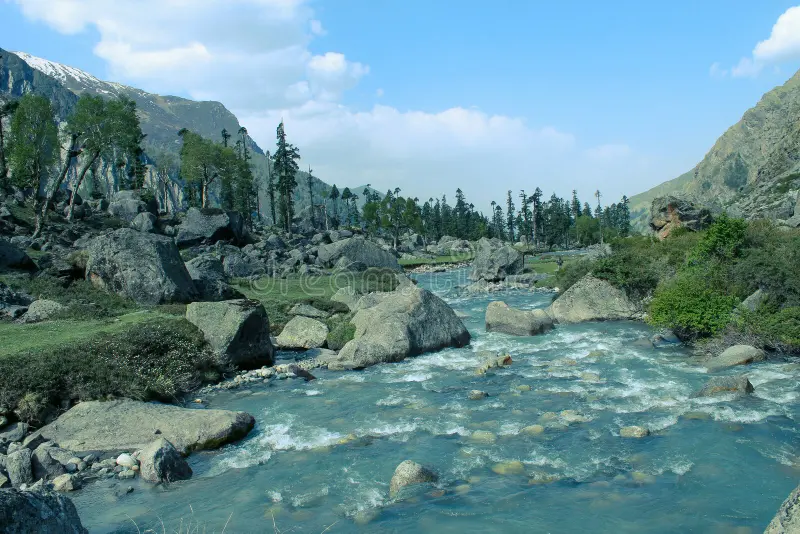
3️⃣ Winter Season (December to February) – Not Recommended for Beginners
Temperature
- Day: -5°C to 5°C
- Night: -10°C to -15°C
Why Beginners Should Avoid Winter
- Heavy snow can cause problems
- Trails become slippery
- River crossings are difficult
- Extremely cold nights
- Requires snow trekking experience and winter gear
For those with experience, winter can be magical, but it’s not safe for beginners.
4️⃣ Monsoon Season (July & August) – Avoid Completely
Risks:
- Landslides can occur
- Slippery, muddy trails
- Risk of cloud bursts and heavy rain
- Leeches can be a problem
- Unpredictable river levels
This season is not suitable for first-time trekkers.
Month-Wise Guide for Har Ki Dun (Beginners Edition)
✔ April:
Some snow on the trail, cool weather, perfect for beginners who want a mix of snow and greenery.
✔ May:
Best month: clear trails, warm days, flowers everywhere.
✔ June:
Pre-monsoon season, easy trails, lush green forests.
❌ July & August:
Avoid these months as they are rainy, slippery, and risky.
✔ September:
Fresh landscapes after the monsoon, with clear skies.
✔ October:
Best views with golden valleys and stable weather.
✔ November:
Cold nights but safe for trekkers with warm gear.
❌ December–February:
Heavy snow makes this period not recommended.
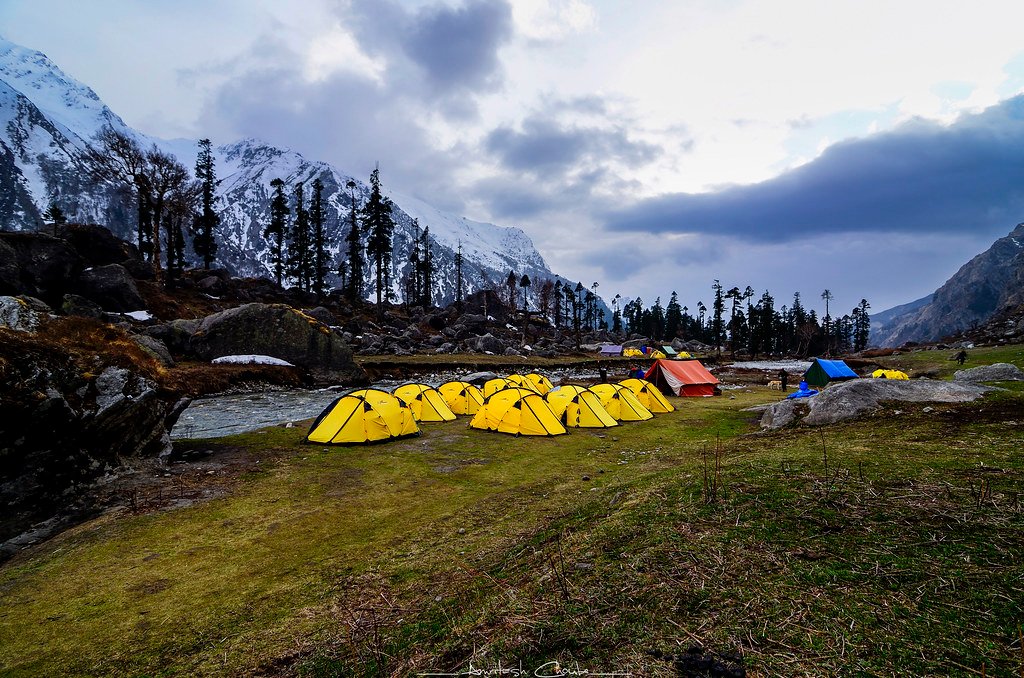
Why Choosing the Right Season Matters for Beginners
Better Acclimatization
Stable temperatures help your body adjust more easily.
Lower Chance of Altitude Sickness
Milder weather puts less stress on your body.
Safer Trails
No slippery ice or muddy trails during these months.
More Enjoyable Experience
You can enjoy camping, rivers, forests, and views without facing extreme cold.
Beginner Tips for Har Ki Dun Trek
- Start training 2–3 weeks before the trek
- Wear good quality trekking shoes
- Bring warm layers even in summer
- Drink 3–4 liters of water each day
- Walk slowly and maintain your pace
- Protect yourself from sun exposure
- Use trekking poles for balance
- Avoid alcohol and smoking
- Carry rain gear even in summer
- Always listen to your guide